
Exploring Non-Traditional Elements in Baking
Baking is a delightful art form that allows for creativity and experimentation. While traditional ingredients like sugar, flour, and butter are staples in most baking recipes, there is a growing trend towards incorporating non-traditional elements and alternative sweeteners to add unique flavors and health benefits to your baked goods.
Benefits of Non-Traditional Elements
Non-traditional elements such as matcha powder, lavender, chai spices, and citrus zest can elevate the taste profile of your baked goods. These ingredients not only add interesting flavors but also provide antioxidants, vitamins, and minerals that are beneficial for your health.
Alternative Sweeteners
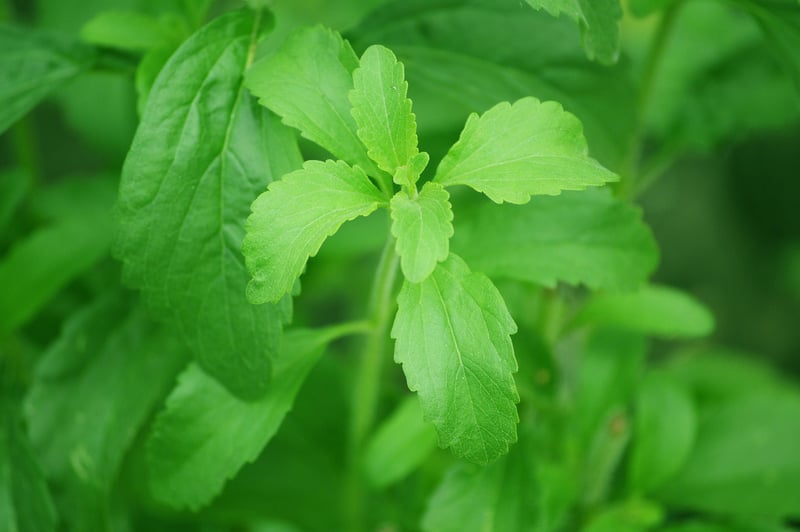
Alternative sweeteners like honey, maple syrup, coconut sugar, and stevia are excellent substitutes for refined white sugar. They offer a natural sweetness with added nutrients and a lower glycemic index, making them a healthier choice for those looking to reduce their sugar intake.
Experimenting with Flavor Combinations
Combining non-traditional elements and alternative sweeteners opens up a world of possibilities for creating unique and delicious baked goods. For example, using coconut sugar with chai spices or maple syrup with pecans can result in mouthwatering treats that are both flavorful and nutritious.
Tips for Using Alternative Sweeteners
- Adjust the amount of alternative sweetener based on your taste preference.
- Consider the flavor profile of the sweetener when pairing it with other ingredients.
- Be mindful of the sweetness level to prevent overpowering other flavors in your recipe.
- Experiment with different sweeteners to find the perfect match for your baked goods.
Conclusion
Adding non-traditional elements and alternative sweeteners to your baking repertoire can lead to exciting flavor combinations and healthier treats. Explore new ingredients, experiment with different sweeteners, and let your creativity shine in the kitchen!